
The Advantages of Learning to Fly Gliders
Learning to fly gliders is a captivating journey that not only opens up the skies but also provides enthusiasts with a unique set of advantages. From honing piloting skills to embracing the beauty of silent flight, here's a deeper look into the benefits of choosing gliders as a means of aviation exploration.
1. Enhanced Piloting Skills:
Flying gliders requires a heightened sense of situational awareness and precise control. Pilots learn to read the subtle cues of the atmosphere, making them adept at handling diverse flying conditions. The absence of an engine demands a more nuanced understanding of aerodynamics, fostering a level of skill that can greatly benefit pilots transitioning to powered aircraft.
2. Aerodynamic Understanding:
Glider pilots delve into the intricacies of aerodynamics, mastering the art of exploiting rising air currents to stay aloft. This deep understanding enhances their overall grasp of flight principles, making them more proficient aviators. Gliding forces pilots to rely on the natural elements, such as thermals and ridge lift, creating a strong foundation in aerodynamic theory.
3. Cost-Effectiveness:
Compared to flying powered aircraft, learning to fly gliders is often more cost-effective. Gliders typically have lower operational costs, as there's no need for fuel or complex engine maintenance. This financial advantage allows aspiring aviators to gain valuable flying experience without the significant financial burden associated with traditional pilot training.
4. Silent Soaring Experience:
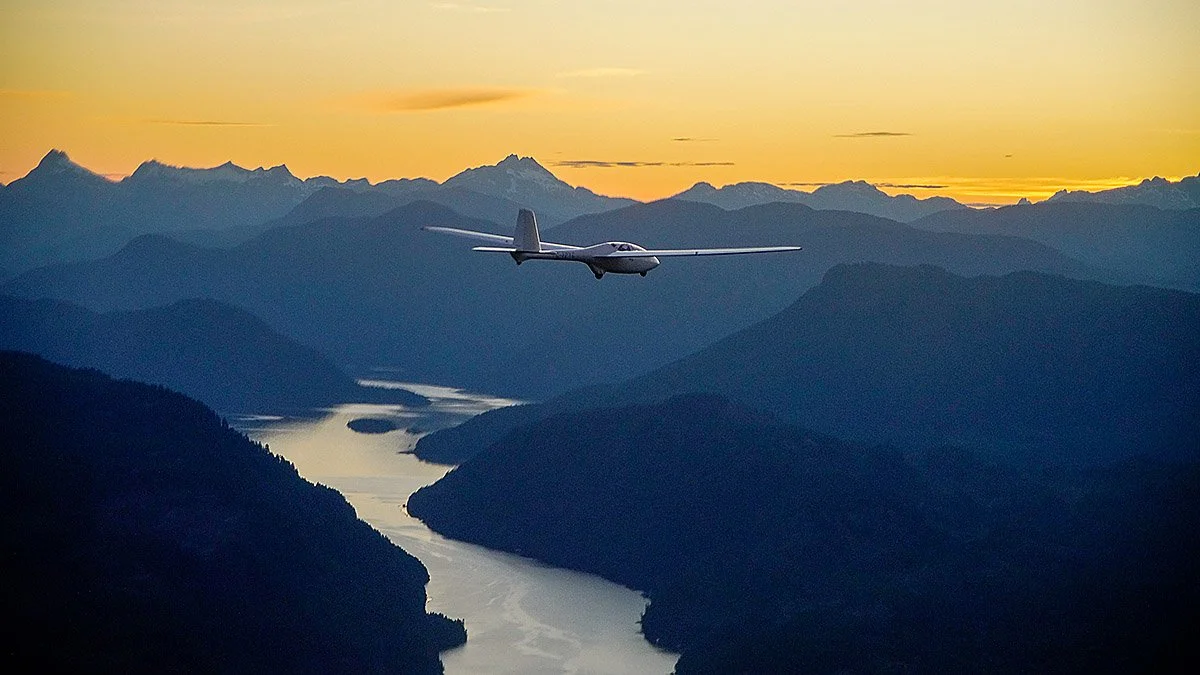
One of the unique and enchanting aspects of glider flying is the silence. Gliders soar through the sky without the roar of an engine, providing an unparalleled connection with nature. This silent experience allows pilots to appreciate the tranquility of flight, fostering a sense of freedom and connection to the environment.
5. Environmental Consciousness:
Gliders rely on nature's forces for propulsion, making them an environmentally friendly option in the world of aviation. With no emissions during flight, gliders align with a growing awareness of sustainability and environmental responsibility. As the aviation industry seeks greener alternatives, glider flying becomes a symbol of eco-friendly aviation.
6. Community and Camaraderie:
Gliding often fosters a strong sense of community among enthusiasts. Glider clubs and organizations provide a supportive environment for learning and sharing experiences. The camaraderie built within the gliding community adds a social dimension to the flying experience, creating lasting friendships among individuals with a shared passion for soaring.
Learning to fly gliders goes beyond the mere act of piloting an aircraft; it represents a holistic experience that enhances skills, connects individuals with the environment, and fosters a sense of community. Aspiring aviators looking for a unique and rewarding journey should consider the myriad advantages that glider flying has to offer.
Interested in learning to fly gliders? Check out our Learn to Fly page to find out how you can get started!